What’s the Fuss about Seed Oils

As public concern rises over mounting health problems in younger and younger people, associated with the unrelenting obesity and diabetes epidemics, the spotlight of attention has turned to the components of the ultra-processed foods that line the shelves of our grocery stores. The foods have the benefit of being cheap (relatively speaking) and convenient, with remarkably long shelf lives. At first suspicions, were confined to the nature of the grains and the amount of sugar, especially in the form of high-fructose corn syrup in so many products. Could we blame them for weight gain and insulin resistance, especially since carbohydrates had become the base of the FDA recommended dietary pyramid in the 1970s, a change made to reduce saturated fat intake because of concerns about its relationship to heart disease? But since the early 2000s, food research has uncovered trouble with the other major component of so many packaged and processed foods – the vegetable oils that hold them together, and, more specifically, the category of vegetable oils derived from plant seeds.

By now, the average American diet includes 5-10 tablespoons of vegetable oil a day. While we need certain fats and fatty acids and a proper in the diet, with a proper balance between different types such as omega 3 and omega 6 fatty acids, their consumption in the form of vegetable oils is very different from their consumption in the form of whole foods. Prior to the development of vegetable oils in the early 20th C, the dietary requirements for essential fats were easily met by the consumption of nuts, seeds, and animal products like lard, butter and tallow – the only fats available for eating and cooking. As whole foods though, 5-10 tablespoons of corn oil would require eating 98 ears of corn. The same amount of sunflower oil would take 2800 sunflower seeds.

 Seed oils are particularly rich in one fat called linoleic acid which is now known to cause weight gain, and a host of metabolic abnormalities including insulin resistance and oxidation of LDL-cholesterol, the so called “bad” cholesterol associated with heart disease. Oxidation is a chemical process that adds oxygen easily to unstable molecules and interferes with their function. It is thought to be related to many inflammatory processes associated with illness. There is also recent research suggesting that in order to participate in the development of plaques in arteries, LDL-cholesterol must be in an oxidized state.

Given the concentration of oils such as linoleic acid, as well as a host of other fatty acid and breakdown products in vegetable oils, it is conceivable that they do contribute to health problems like obesity and diabetes. Moreover, the chemical process used to make the vegetable oils into the solid oils that resist spoilage, increase shelf life and give foods nice textures, the process that introduced these oils into the human diet, was shown by the 1990s to increase rather than decrease heart disease, prompting legislation to cut the use of these substances in foods and sending food scientists back to the lab to find adequate substitutes. Combined with other observations suggesting that the massive change in dietary fats over the last 100 years also also contributed to cancer, gall stones and mood disorders it is reasonable to ask how such a striking change in diet came about and what to do about it now.

Two major events created and expanded the vegetable oil industry. The first was the industrial revolution that demanded lubricating oil. Just as the whaling industry was collapsing at the end of the 19th C , machines made oil extraction from seeds efficient, and cottonseeds were plentiful. The second was the dietary advice given by the medical profession in the mid 1900s to avoid saturated fats and to replace them with the polyunsaturated fats in vegetable oils in an effort to curb the rising number of heart attacks. This advice came after the dietary cholesterol heart hypothesis won out over a sugar/insulin hypothesis as the cause of heart disease, and after polyunsaturated oils were shown to lower total cholesterol levels in studies that compared them to dietary saturated fat. In terms of safety ratings, vegetable oils were grandfathered in under the GRAS  (generally recognized as safe) category in food safety rules introduced in 1958, because by then they had been in use for half a century. They clearly were not toxic in the short term, but safety is measured over time in real world use. 

By the 1990s, when the vegetable comprised 9-10% of American caloric intake, the nature of the “trans fats” produced by hydrogenation of vegetable oils emerged. Instead of cutting heart disease, they had increased it.  Subsequent work in the 2000s showed that large numbers of poorly characterized and studied fats are produced by the hydrogenation process, with some contributing to insulin resistance and weight gain, prompting warning labels and sending food scientists back to the lab to find other methods of reducing oxidation of seed oils and make them structurally suitable for baked goods. The methods include genetic modification of seed crops (currently 90% of soybean crops are sown with GMO seeds), chemical processes known as interesterification, and attempts to make oils by fermentation of sugar cane or algae. The expense involved may erase any economic reasons for replacing animal fats, and the efforts are taking place on a background of serious questioning of the dietary heart hypothesis that prompted the shift away from saturated fats in the first place.

 So what should you do in his unsettled time when much of what we thought was settled science is in question, and when you want to do the best you can for your own health? First, recognize that there is truth in the statement that you are what you eat. Autopsy studies have shown that the laboratory made fats are found in cell membranes, which are the guardians of cell function. In addition, the chemical makeup of LDL cholesterol reflects the amount of vegetable oil in the diet and may be a crucial factor in the development of arterial plaques

Second, read labels and avoid products with hydrogenated or partially hydrogenated oils, as well as poorly defined oils. Know the names of the most common seed derived oils: soybean, corn, sunflower, safflower, grapeseed, peanut, cottonseed, rice bran, and canola (Canadian oil low acid, from the rapeseed). Olive oil and avocado oils are derived from plant fruits and are better choices. They contain mainly mono-unsaturated fats which are less prone to oxidation. In addition, they have higher heat points and therefore produce fewer toxic byproducts such as aldehydes in the cooking process. Coconut oil and palm oil, also made from the pulp of the plants, are saturated fats. They have made a comeback from the days when they too were considered risky for heart disease despite thousands of years of consumption by populations who did not develop the problem.

Third, be aware that the introduction of seed oils into the human diet parallels the rise in heart attacks that prompted the dietary attempts to cure the disease in the mid 20thC, which in turn accelerated vegetable oil consumption. And significant declines in saturated fat consumption did not solve heart disease. There are, to be sure, other factors such as smoking involved, and many possible reasons for the health dilemmas facing us now, two decades into the 21st C. But it is possible that the vegetable oils and more specifically the poly unsaturated seed oils that are modified in laboratory processes are a significant part of the problem. So it seems reasonable to try to understand them, to return to whole food sources of essential fats, and to keep consumption of these oils and the processed foods that rely on them as low as possible.  

Tiny Facet Joints: Keys to the Locked Back

Episodes of back pain and stiffness are common and often begin young adulthood. Some, but by no means all, presage a lifetime of back trouble. The saga of President John F. Kennedy’s chronic back pain began during his college years at Harvard, entailed several failed surgical procedures during his early political career, and, according to some armchair medical detectives, may have contributed to his death in Dallas in 1963, when the rigid back brace which he wore kept him in an upright position after the first shot hit him, positioning him for the lethal head shot. Medical sleuths have also combed his medical records  in an attempt to understand the origin of the back pain which became his everyday companion in his post college years. As with many back pain sufferers, the beginnings of JFK’s pain complaints had no clear relationship to a single injury, and  were not accompanied by visible X-ray abnormalities. So what is the mechanism of this type of pain? What does it mean when someone’s back “locks up,” for days at a time, both in the moment and as an indicator of future problems?

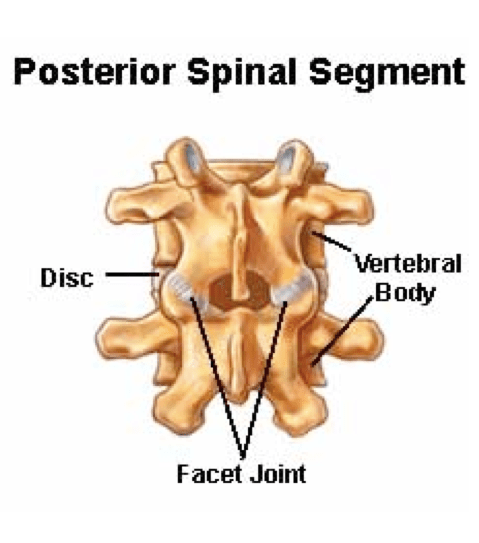
Episodes of stiffness and back pain in the lumbar region are almost always related to the moving parts of the spine, of which there are two types – the cushioning discs between the vertebral bodies, and the facet joints of the bony arches that emerge from the back of the vertebral bone and surround the spinal cord and nerve roots. Facet joints are the pairs of bony surfaces that match one vertebral body’s arch with the ones above and below it in the column of spinal bones (see image below). The surfaces of these tiny joints are covered with cartilage and bathed in synovial fluid, just like large joints. Each facet joints is wrapped in connective tissue which stretches to allow movement. The construction of the facet joint allows a lot of forward flexion, a small amount of backward extension, and protects against too much rotation, which might cause disc movement.

Very often, low back stiffness begins after a night in bed, on the day after an unusually lengthy activity involving bending, lifting, running, biking, or even walking. Imagine a bit of swelling and inflammation in the connective tissue surrounding a facet joint, causing irritation of its rich supply of tiny nerves. The mission of these nerves is protective, to shriek warnings when you pull a joint too far out of line. When they are bathed in inflammatory cytokines after a bout of overstretching, they speak with varying degrees of urgency to stop you from moving those joints any more until the healing processes have time to clean up the damage. They engage reflexive muscle contraction to do the work of preventing motion, giving you the sense that the back has locked itself into one position.  When this happens you suddenly appreciates how much flexibility your low back has under normal circumstances. 

 A good history and physical examination is usually sufficient to pin blame on the facet joints. Pain is generally confined to the mid and low back, but can radiate more widely because pain signals spread out along neighboring pathways. It is worse in the morning or after prolonged sitting, and can be worsened by some motions like twisting or bending backwards. Bending forward often improves the symptoms. Muscles are palpably tense and sometimes tender. If there are no physical signs of pressure on spinal nerves, and if there is no history of a fall or blow, imaging studies are not necessary unless conservative treatments over the next few weeks fail. At times, particularly if the pain is one-sided, injection of the suspected problem joint with an anesthetic helps pinpoint the diagnosis by temporarily relieving the pain.

Ice application is often helpful early on, but over the course of the next few days heat packs may be better since they increase blood flow and help healing. Anti-inflammatory drugs can ease the pain. Gentle aerobic activity counteracts the tendency of the back to stiffen more with prolonged sitting or lying. In most cases, the pain will run its course in a week to 10 days. A good physical therapist can help with massage or ultrasound treatments, passive stretching and exercise recommendations.

While most episodes of the back “locking up” are self-limited and not accompanied by structural problems such as disc herniations or bony overgrowth, the pain is an early warning system indicating that the back is being asked to perform under some strain it can not tolerate. Beyond the acute phase, a physical therapist can help interpret the message the painful episode was delivering. What set you up for the painful response? The facet joints seldom get irritated in childhood unless there is an underlying orthopedic anomaly or asymmetry. But by the time of young adulthood, chronic postural problems may be blooming. Most shoes are guilty of tipping the upright body forward because most shoes, even ergonomic running shoes, have heel elevations of at least an inch. Hamstring muscles become tighter and abdominal muscles weaker. Excess body weight and too much sitting hunched over a keyboard may be taking a toll. Overworked facet joints may not complain much until they are subjected to an unusual amount of activity, but when they do it is time to try to relieve them of daily irritants and extra work to avoid recurrence of the painful bout and degeneration of the bony structures.

JFK’s back history is instructive because, while he began with back pain episodes of a somewhat vague nature and had normal bone structure, he suffered through three failed back surgeries, a terrible postoperative wound infection, and hundreds of injections of anesthetics into his back joints. Eventually he got to a conservative physical therapy approach (the White House swimming pool is its legacy), and for a time was more comfortable. Had this been the earliest line of therapy perhaps he might not have been wearing that rigid back brace in Dallas.

Your Quiet Kidneys

The work of the kidney is easy to take for granted as it goes on constantly, producing predictable amounts of urine – generally 1-3 liters a day- depending on intake and all the environmental factors that influence sweat production, the other major source of water loss.  Only when things go awry do we take notice of this quiet, dependable system. A few, acute problems can bring the kidneys to attention, but chronic kidney disease, most often associated with other chronic illnesses, does not announce itself with clear symptoms until until it is well along its course. Understanding your kidneys is important because awareness of the possibility of chronic, silent kidney damage is the first step to treatment that may slow progression.

We have kidneys because we are semi-fluid creatures, composed of about 60% water which must be refreshed or replaced constantly. We have control systems that prompt taking in 2-3 quarts of water a day, depending on body size.  And we have a complicated water and liquid waste disposal system – the genitourinary system. To function, we also need tight control of the body’s acidity, of the balance of electrolytes such as sodium, potassium, calcium and phosphorous, and of the pressure in the vascular system that carries the liquids around the body. All these tasks are handled in large measure by the kidneys. In addition, the kidneys produce a hormone that controls the production of red blood cells, and they produce the active form of Vitamin D.

Kidneys are a filtration system

The two kidneys lie alongside your spine, behind your abdominal organs, just above waist level. Each kidney is a beautifully complex filtration system, with millions of tiny identical units called nephrons filling the bean shaped organ. The nephrons in each kidney empty their filtration product, called urine, into a hollow central part of the kidney called the calyx, which tapers into long duct called a ureter. The ureters travel down alongside the spine and empty into the urinary bladder. Inside each nephron is a little round tangle of blood vessels called a glomerulus. Blood comes in to the glomerulus through a tiny arteriole and exits, cleansed of drugs, toxins and products of metabolism, though a tiny vein. The refreshed blood, with a carefully balanced set of electrolytes and perfect acidity, makes a trip back to the heart where it is pumped out to make the circuit of the body again.   

Short term kidney problems

Acute kidney problems fall into three broad classes – trauma, stone formation and infection.  Blood in the urine (hematuria), with or without back pain, is the cardinal sign of kidney trauma from blunt force injury, and requires diagnostic evaluation. Trauma can also occur at the level of the nephrons from toxic exposures. One form is sudden massive, breakdown of muscle tissue called rhabdomyolysis, from drug exposure, excessive exercise with dehydration, or physical trauma. Urine becomes red-brown and when the kidneys can no longer handle the influx of the muscle proteins, they shut down.  

Stone formation in the kidney’s calyx is common, and usually not symptomatic unless a stone passes into the ureter and gets stuck.  Then severe, one-sided back pain, sometimes radiating into the groin, is not possible to ignore. Stones can also cause hematuria, secondary bladder or kidney infections.

Infections of the kidney, in the absence of stones, typically come from spread of infection upward from the bladder, or from blood infections. While a bladder infection most often causes only burning urination and a sense of not having emptied the bladder, back pain and fever often accompany kidney infections. People hospitalized for surgery or serious illnesses may suffer temporary bouts of acute kidney failure, sometimes enough to require dialysis.

Acute kidney problems require good evaluation, treatment, sometimes dialysis, and follow up. Analysis of the urine is sometimes sufficient to make a diagnosis, but in the case of trauma or suspected stones, imaging studies are necessary. Treatment aims to prevent damage to nephrons that causes scarring or cyst formation, with the goal of preventing loss of kidney function over time.

Measures of kidney function

Bouts of acute kidney problems may sometimes be accompanied by a rise in the blood level of creatinine and a decline in “glomerular filtration rate,” both measures of renal function. If the impairment persists for longer than three months, kidney disease then falls in the chronic category – a lifelong problem that requires careful follow-up to try to prevent further damage.

Long-term kidney problems

Chronic kidney disease implies loss of a critical number of functioning nephrons. There are many causes of chronic kidney disease beyond persistence of damage from acute problems. Diabetes and high blood pressure are at the top of the list, along with immunologic reactions, of allergic or infectious origin, that damage kidney cells.  Polycystic kidney disease is a genetic condition in which multiple enlarging cysts destroy the kidney’s nephrons. Some drugs affect kidneys negatively over time, particularly over-the-counter non-steroidal anti-inflammatory drugs (NSAIDS).

Symptoms of chronic kidney problems

Physical symptoms of advanced chronic kidney disease include fatigue, poor appetite, pale, grayish, dry skin, anemia, swollen ankles, worsened hypertension, headache, insomnia and muscle cramps. Some medicines’ such as ACE-inhibitors, diabetes drugs and statins are thought to forestall worsening of renal function, and are usually prescribed well before symptoms begin.

Keep your kidneys in good shape

The tactics for keeping your kidneys in good shape are the same ones that work to stave off other chronic illnesses, keep the immune system in peak form, keep blood pressure normal and the heart pumping well.. Diet, sleep, stress control and exercise all matter. Good hydration habits help prevent kidney stone formation. Aim for very light-colored urine most of the time.  Care should be taken to avoid damaging toxins such as cigarette smoke, solvents, and heavy metals like lead and mercury. And if chronic medications that are known to damage kidneys are necessary, (NSAIDS, lithium, and some antibiotics of the aminoglycoside class), kidney function should be carefully monitored. The only treatment for end-stage kidney disease is transplantation, and while that has been quite successful, keeping your original equipment is more desirable.

Heart Surgery 101

In 2005, I was asked to write a piece for KnowledgeNews.net. This piece is copied below, with a few minor additions. It was prompted by the fact that former President Bill Clinton was undergoing a second open heart procedure. The piece was titled Bill Clinton’s Heart* and began like this:

“Today former President Bill Clinton will reenter the operating room, and surgeons will reenter his chest, fixing problems created when they did coronary bypass surgery last year. Surgeons are never happy about revisiting previous work sites. Once violated, your body’s tissues heal with scarring, and scar tissue obliterates the nice, neat, anatomical planes that make most surgical operations predictable.”

Its purpose was to answer this question:

“How will President Clinton’s doctors do their delicate work? How does heart surgery really work?” Here is how, and even 17 years later the setting and procedures are pretty much the same, though the technology and materials have all continued to improve.

Setting the stage

The patient lies in the middle of the cardiac surgical suite, flat on his back under bright lights, painted with an ochre iodine solution from neck to knees, then draped in multiple layers of sterile plastic and cotton. A vertical screen separates his head and neck from the site of the surgical action.

Behind this screen, the anesthesiologist does his magic, infusing a cocktail of oblivion­ inducing drugs into the patient’s veins, inserting a tube down the windpipe, and ventilating him with a mixture of gases that keep consciousness mercifully at bay. On the patient’s left side, the pump team sets up shop, with a technician seated behind a low, rectangular stainless steel machine the size of a large desk. He’s all about plumbing, preparing the tubes that, within the hour, will carry blood from the patient’s stilled heart to the machine, through a cylinder where the dark purple blood picks up oxygen and turns cherry red, and then back again to the patient’s aorta for distribution to the body. Raised over the end of the table is a mammoth tray of tools–surgical hardware.

Getting in

The surgeon and scrub nurse wait on the patient’s right, the surgical assistant on the left. With one vertical slice down the middle of the chest and a buzz of the saw down the center of the breastbone, or sternum, the chest wall is breached.

The surgeon wedges a nifty little tool into the sternal split, and proceeds to crank open the chest. (At the end of the surgery, he will use something that looks like a meat hook to wind up the wire sutures that pull the edges of the bone back together. And later write a prescription for enough narcotics for several weeks.) As the bone comes apart, a shiny pink pillow puffs up from below, filling the gap. This is the lung, protected in a slippery, clear envelope called the pleura, which lines the inside of the chest wall and the outside of each lung, letting the lung slide friction-free as it expands and contracts.

With the bony gap widened to six or seven inches, the surgeon removes the spreader and gently pushes aside the right and left lungs, covering them in wet, protective cloths. He is now in the middle compartment of the chest, the mediastinum. There, in the center, in a protective, transparent little envelope called the pericardium, is the heart–a purplish, muscular little fist of an organ in its healthy state, pumping away with a powerful twisting contraction. Of course, since we’re doing heart surgery for a reason, it might be a pale, flabby bag, draped in yellow fat, contracting with a weak little squeeze.

Getting the Job Done

Getting in is the standard part. What happens next depends on what the patient needs. Sometimes it’s a new valve inside the heart, or maybe two. Sometimes it’s bypassing diseased coronary arteries on the surface of the heart with an artery brought down from the chest wall and attached beyond the blockage, or with a piece of a vein from the patient’s leg attached at one end to the aorta and at the other end beyond the blockage. Either way, the stitch work is so tiny that the surgeon wears glasses with little microscopes on the lenses.

Sometimes a bypass can be done without stopping the heart, and the surgeon sews in rhythm with the beat. But most times, the surgeon has to re-plumb the body, sending un-oxygenated blood from the right side of the heart out to the mechanical pump and depending on the pump technician to run the machine and send the blood back to the aorta. Then the surgeon stops the heart with a mixture of drugs, letting it lie peacefully in the center of the chest while the repairs get done.

Getting Out

Going on the pump and coming off the pump can be white-knuckle times. Sometimes there is trouble restarting the heart. Sometimes the patient has to go back on the pump. But if all goes well, backing out is largely the reverse of getting in, with many checks in place. All the tools and all the gauze sponges used for mopping up must be back where they belong (it’s surprisingly easy to lose things in a blood-soaked operating field). The inside of the chest has to be dry (no leaking of blood from anywhere). Even then, tubes are left in place in the chest to let oozing fluids drain to the outside for the first few days of healing. These come out several days later, with a hard yank and a stitch or two to close the hole. Then the sternum gets pulled back together with wire – it stays in there permanently. If the surgeon likes music in the operating room, and all has gone smoothly, the music sometimes gets changed to something a little livelier, and the skin gets sewn up. The surgeon’s work, he hopes, is done. It’s nature’s time to go to work and smooth over all the cuts and stitches.

*KnowledgeNews, Thursday, March 10, 2005

Anxiety: A Protective Emotion

“…Kids are different today, ” I hear every mother say
Mother needs something today to calm her down
And though she’s not really ill, there’s a little yellow pill
She goes running for the shelter of her mother’s little helper
And it helps her on her way, gets her through her busy day…”

                                  Mother’s Little Helper, The Rolling Stones

    In 1966, a bluesy rock song penned by Keith Richards of The Rolling Stones paid homage to the tranquilizing drugs which had become the rage, in an age of anxiety defined by the “rat race” and by the development of the psychopharmacologic approach to life’s problems. The title of the song, Mother’s Little Helper, reflects the predominance of women as the recipients of drugs that treated anxiety and the lyrics are a succinct representation of the dilemma of the diagnosis of anxiety. Is anxiety a mental illness, and, if not, what is it?

    Anxiety has been defined in many ways over thousands of years. For the classicists of Rome and Greece, the words used to describe anxiety as illness were nuanced.  Some referred to a mental feeling and others to bodily sensations, and they all conveyed a sense of constriction. As far back as the oldest book in the Bible, the character Job, in his anguish, speaks of “the narrowness of my spirit.” A different aspect of anxiety appears in one of the Romance languages, in the Romanian word nelinişte, meaning unrest. Between the ancients and the modern era of psychiatry, the concept of anxiety as a unique disorder goes dormant, with the symptoms buried in other diagnoses referring to emotions, particularly melancholia and neurasthenia. But by the time of the first Diagnostic and Statistical Manual of Mental Disorders in the early 1950s, anxiety was back, categorized as a mental disorder, with progressively more sub-categorizations related to associated behaviors over the next four updates to the guide. Anxiety disorders are said to affect almost a third of US adults at some point in their lives, and are rising among children as well.

    There are clearly people for whom the emotion of anxiety is crippling, interfering with the ability to navigate in the world, to accomplish necessary tasks of daily life, and to use the potential they have to live the best life they can. For these people, anxiety is a disorder. And anxiety complicates other serious mental illnesses like depression and schizophrenia. But anxiety is also normal, a feeling of dark expectation that is part of being human. Everyone experiences anxiety intermittently. Sometimes it keeps us awake. Sometimes it interferes with plans. Sometimes it helps us avoid problems. Sometimes it lingers longer than usual. Given the very high frequency of anxious feelings, learning about why anxiety occurs and about how to cope when it appears may be very helpful.

Anxious feelings are a protective. Because we are vulnerable creatures in a world filled with danger, we evolved to recognize, respond to and figure out how to avoid things which threaten us. The parts of the brain charged with this task are the amygdalae, paired almond-shaped structures deep in the brain on each side, near the temporal lobe. The connections to and from the amygdalae are complex and extensive, and the circuits trigger two emotions when we face unfamiliar, potentially threatening situations: fear and hope. Fear focuses attention and freezes motion, while triggering the physiologic responses necessary to fight or flee. Hope is the emotion that emerges when memory scanning triggered by the amygdalae yields recognition of a pattern in the threat. Hope enables development of a plan of action. Anxiety is the dark apprehension we feel when we cannot find the way to a plan to deal with persistence of the fearful, or just plain unresolved situation.

   Anxiety has three components. First, an alarm reaches each amygdala through the senses and triggers fear and memory scanning. The alarm encounters the second component, a mixture of beliefs based on prior experiences stored in memory.  The third component is the coping behavior that emerges.  Coping behaviors may be unsuccessful in reducing the fear, or unable to resolve the situation because of conflicts with beliefs.  When coping is unsuccessful at restoring calm, anxiety carries on, a dread sense sometimes accompanied by restlessness, nervousness, tension, sweating, weakness, shaking, rapid heart rate and hyperventilation, spilling over into non-threatening situations. When normal life is compromised, or unsuccessful coping behaviors like substance abuse take over, anxiety becomes a mental disorder.

    Some of us have more anxious temperaments than others, but everyone can work to better cope with fear-provoking situations. The less chaotic our lives, the fewer the confrontations with the unknown are – but control can never be perfect and lack of control itself can cause fear and, hence, anxiety. many of the patterns we establish in our lives, such as regular habits and ordering our environments we have learned unconsciously as a means of keeping anxiety under control. Countermeasures like the techniques of cognitive behavioral therapy (CBT) are not only useful but can be done as self-help. There are numerous cognitive behavioral therapy resources available in libraries and online. They teach recognition of the common distortions of thinking that lie beneath chronic anxiety, and ways to correct them. Interestingly, CBT is quite similar to the recommendations of the classic Epicurean and Stoic philosophers who wrote about anxiety so long ago.

    When anxiety disrupts life and does not yield to attempts to change, the professional help of a cognitive behavioral therapist is in order, as well as a general medical checkup to rule out problems like hyperthyroidism or Vitamin B12 deficiency.  Sometimes a therapist will add a pharmaceutical product, usually one in the SSRI category of antidepressants. While the “mother’s little helper” class of drugs, the benzodiazepines, are very effective in reducing acute anxiety, more chronic use has led to significant, refractory addiction problems, and SSRI-type antidepressants are a better choice to begin with if drugs are going to be tried. If drugs are employed they should not be a substitute for the hard work of understanding how the interaction of personality, experience and environment lets a useful and protective emotion become untethered from its purpose. Such understanding can help the mind move forward into solutions.

Two Years In

Below I have copied a comment I wrote in January 2022 on an article published on Substack by a biologist who named Joomi Kim. Joomi’s website is linked below. The article, titled “I Was Deceived,” is robustly documented and I had begun sending a link to it to friends who wanted more information about the 2019 pandemic virus and the medical approaches to it. I wrote the comment because I have spent many hours a week for the last two years delving deep into the science behind the pandemic narrative, keeping family and friends who wanted to be informed up to date, and I was grateful have the compilation of references that were attached to Joomi’s story. The comment, in addition to being a thank you note to Joomi, is a brief description of my own conclusions about what has happened and where we stand now.

During the spring of 2020 I realized that something was very wrong in the medical world of COVID – terrible data collection and a peculiar indifference to attempting to treat patients with the infection until they were late in the illness, when they were essentially untreatable. In the summer of 2020, I sat down with my iPad, in a small town in the mountains, to investigate the PCR test which seemed to be the linchpin of the “pandemic,” the thing that defined the numbers that were being used to justify destruction of social bonds and economic activity. I got up two hours later, realizing that surely the people behind the lockdowns and the health care directives knew what I now knew, and I sadly came to the conclusion that the exercise we were enduring was not about our welfare, but about getting to the great vaccination project. I’ve learned more about virology and immunology and the psychology of crowds than I ever wanted to know, and have found all that you have written here – and more. I am afraid that the myocarditis and aggressive cancers are just the tip of a very large iceberg and I believe we are involved in the greatest public health disaster in history. I am very grateful to you for having compiled all of these links in one place and intend to give this article to anyone I come across who is beginning to wake up to what has happened.

You can find the January 15, 2022* article on Joomi’s Substack site, found at:    https://joomi.substack.com/

*The title on the author’s main page is “I Was Deceived.”I have deliberately linked to the author’s main page rather than to the article directly because its URL title is one that could be flagged by the WordPress administrators as disinformation. This is the world we live in now.

Cytokines and Inflammation: Balance Required

Inflammation is bad, right? Chronic inflammation has been implicated in cardiovascular disease, type 2 diabetes, non-alcoholic fatty liver disease, cancer, autoimmune diseases, Alzheimer’s disease, other neurodegenerative disorders and more. Ad campaigns for new anti-inflammatory drugs are everywhere, and the best-selling over the counter pain relievers, taken by millions of people, work by suppressing inflammation. It is easy to get the impression that inflammation is always detrimental to health. But, without inflammation, all injuries would be permanent and our defenses against bacterial and viral invaders would be feeble. The inflammatory process is vital to life, the necessary first step in healing and in the body’s defense against infection.  But there is a dark side to this finely tuned system.  Inflammation can become chronic, outlasting the need for defense and repair, and damaging normal tissues in the process.

How inflammation works

Inflammation begins the when cells send out signals that they have been injured, by thermal or physical forces, or attacked, by organisms like bacteria or viruses. The language of this cellular communication is chemical, involving messenger molecules called cytokines (cyto meaning cell and kine, from kinos, meaning movement).  Cytokines attract of white blood cells to the area of injury, and they open pores in nearby tiny blood vessels to let in this defensive army, along with variety of specialized proteins that begin the job of healing.  Inflammation is the word used for the changes that occur in tissues as a result of the orderly events that ensue. With successful healing, signs of inflammation subside, and cellular cytokine production returns to the baseline level necessary for routine cellular maintenance and regeneration.

The normal course of healing inflammation

The cardinal signs of inflammation are redness, heat, swelling and pain. Redness, heat and swelling come from the increase in blood flow and permeability of the blood vessels. Pain is the result of cytokine stimulation of tiny nerve endings, and serves the purpose of limiting movement to limit further damage.  Some cytokine signals reach the temperature control centers in the brain, raising the body temperature to levels invading organisms tolerate poorly. Specialized immune cells immobilize and kill viruses and bacteria and cleanup cells called macrophages clear the debris. Gradually, dead and dying cells are walled off and disposed of. Rebuilding begins, taking advantage of scaffolding produced by the proteins which have leaked from the blood and caused clots to from. You see this process every time scab forms on a cut and later shrinks and peels away to reveal new skin cells beneath.

Maladaptive inflammation

But sometimes the inflammatory system does not gear back down, resulting in tissue damage rather than repair. This control failure may be rapid and catastrophic, the so-called cytokine storm, a term which has become familiar during the 2020 SARS-COV19 pandemic. It describes the damaging effects of an overreaction of the inflammatory response triggered by the immune system during infection or severe trauma. Oncoming cytokine storm cannot be predicted based on routine clinical parameters or tests, but researchers are beginning to tease out more sophisticated chemical markers of inflammation which correlate with more severe disease.

Maladaptive inflammation can also be slow and chronic, with progressive tissue damage like that which occurs in rheumatoid arthritis. The causes of such chronic inflammatory responses are legion and many don’t have obvious relationships to the normal inflammatory pathways. They include obesity, inactivity, toxic chemicals in food and the environment (xenobiotics), poor sleep, chronic infections and antibiotics that alter the normal bowel bacterial populations. Chronic inflammation is also a result of autoimmune responses to the body’s own tissues – cross reactions between immune responses to external agents and to the body’s cells, particularly in skin or joints and other organs like the thyroid gland. No one understands exactly why these self attacks begin to occur but autoimmunity is on the rise in all age groups.

Intertwined systems

The wide ranging influences on the inflammatory system reveals the deep connections between the body’s different physiologic systems. Disruption in one system influences production of chemical signalers in another. For instance, stress and lack of sleep suppress normal defenses against infections. External factors as simple as poor mechanical care of teeth allow chronic gum infections to take hold. Smoking and air pollution irritate the lungs. Lack of exercise changes the way blood flows though arteries, setting them up for damage and chronic inflammatory repair processes. And chronic use of anti-inflammatory drugs for aches and pains alters the finely tuned balance of cytokine signaling throughout the body. 

As we age, chronic inflammatory markers – measurements of some select cytokines like C-reactive protein – tend to rise. Attention to diet, exercise, sleep, dental care and stress management are within your control and help suppress inflammatory marker levels. Removal of allergens and irritating chemical triggers like smoke from the environment helps, as does attention to areas of the body that are sites of chronic infection, like teeth and skin.  

Pharmaceutical interventions are common ways of suppressing chronic inflammation. The NSAIDS, non-steroidal anti-inflammatory drugs like Advil, block cytokines called prostaglandins. Most recently, drugs-called biologicals target individual cytokines by blocking them with antibodies. The new biological drugs provide significant relief to people who suffer from autoimmune problems, but they can also impair the primary functions of defense and repair. Caution is required and risk-benefit calculations are necessary, because opportunistic infections – ones that the body normally handles well – can take hold and thrive. The body’s innate cancer surveillance system, which finds abnormal cells and induces their death before they become malignant, can also become less functional.  

Maintaining the Balance 

Cytokines and the inflammation they cause are part of an enormously complex, finely balanced cellular maintenance and body defense system. Small disruptions in the balance over time, such as happens with chronic use of anti-inflammatory drugs for treatment of pain, or chronic stimulation from infection, can show up in odd and seemingly unrelated ways, like an increased rate of heart attacks and strokes in chronic NSAID users and development of liver cancer in hepatitis sufferers. In an imperfect world, perfect balance is hard to maintain, but the inflammatory response system is far more often good than bad.    

Blood Clotting…and Not Clotting

    Over a gallon of blood circles your body every 45 seconds, under pressure, in a network of arteries, veins and capillaries.  Any leaks in the system must be plugged and repaired. Some ruptures are emergencies requiring outside help, but most are fixed handily by a well calibrated system of physical and chemical reactions in your body.  You watch this process every time you cut yourself shaving or slicing tomatoes, but it also happens microscopically, all over your body, when blood vessels are damaged internally by trauma or infection or chronic degenerative changes in the walls of arteries.  

How clotting happens 

Hemostasis, the first step in controlling bleeding, involves mechanical measures like pressure, cautery or stitches to stop blood flow from damaged blood vessels. Hemostasis alone is ineffective and must to be accompanied by blood clotting, a process triggered by blood platelets, which are tiny little disc shaped cell fragments that accumulate at the site of blood vessel injury. About a trillion platelets circulate in the blood, speeding by over 10,000 square feet endothelial cells that line the inside walls of blood vessels. When damage exposes collagen and other proteins in the endothelial cells and surrounding tissues, platelets gather to plug the defect, while secreting chemicals that draw white blood cells to the scene. An orderly sequence of chemical reactions, known as the clotting cascade, then produces in a stringy mass of sticky protein called fibrin, which fills the gaps between the platelets. Over the next few days to weeks, as healing proceeds, the clot gradually dissolves and disappears in a process called lysis. Your scab falls off to reveal new skin underneath.

Balance between clotting and not clotting

Blood also must not clot to carry out its normal function of transporting oxygen and carbon dioxide and nutrients and waste. If blood clots occur inside blood vessels, they block blood flow and cause damage in surrounding tissues. Health problems like strokes and heart attacks, and clots in the heart, lungs and leg veins occur because local conditions like inflammation and slow blood flow trigger the clotting process. For example, when atrial fibrillation causes failure of atrial pumping, blood pools in the recesses of the upper chambers of the heart and clots may form.  Slow and turbulent blood flow in arteries narrowed by inflamed cholesterol plaques sets off the clotting process. Immobilization, bed rest or even prolonged sitting can promote clot formation in the leg veins.

Manipulation of the clotting system

Health problems like these, as well as the need to hasten clotting in some medical situations, drive attempts to manipulate the clotting system. Infusions of platelets and other blood products correct bleeding in the operating room and in medical conditions that lead to poor clotting, but, more commonly, medical problems require suppressing the blood clotting response. Most people are familiar with anti-clotting drugs, called “anticoagulants,” that interfere with one or more of the chemical processes in the clotting cascade. They are used for common heart problems like atrial fibrillation, leg vein clots and after heart valve replacements to prevent the foreign valve materials from triggering clotting. Most people are also familiar with “antiplatelet” drugs like aspirin used to help prevent heart attacks and strokes by interfering with the ability of platelets to start the clotting process. 

Pharmacological aid in breaking down clots 

A third type of intervention employing “thrombolytic” drugs aims to dissolve clots that have already formed.Thrombolytic drugs are used in hospitals, in the acute setting of clots that have caused heart attacks and strokes. When injected into arteries, they dissolve clot and restore blood flow though the problem area of the blood vessel that triggered the clotting process, or through an artery in the brain that has been suddenly blocked by a clot that traveled there from the heart.

Blood “thinners”

 Anticoagulant drugs are often incorrectly called blood thinners, but they do not change the thickness of blood. They block reactions in the clotting cascade. Heparin, when injected intravenously, causes the most direct and immediate interference, so doctors opt for this choice (or other similar drugs if a patient is allergic to heparin) when stopping clot formation is urgent. The insertion of an artificial heart valve, which will trigger clot formation on its surface, the presence of leg clots which may break off and travel to the lungs, or the onset of atrial fibrillation call for prompt blocking of clot formation, while the transition is made to oral anticoagulant drugs.

Oral anticoagulant drugs take a few days to slow the speed of blood clotting.  Of the oral drugs available for blocking clotting, coumadin is the oldest and most frequently used because its anticoagulant effects can be stopped quickly, if necessary. The ability to reverse anti-clotting effects is important if the anticoagulated patient develops a bleeding problem or is at risk of falling or other injury. Coumadin’s effects are reversed by intravenous injection of Vitamin K. People taking coumadin must have their blood checked regularly to monitor the rate at which the blood clots, and adjust doses accordingly. Other newer oral anticoagulants are popular because they do not require testing, but are more expensive and their effects cannot be reversed as quickly.  Intramuscular drugs are available for home use, usually when anticoagulation is a temporary treatment.

Drugs that make platelets less sticky

Antiplatelet drugs like aspirin and persantin are often prescribed to prevent clot formation in the coronary arteries, though the evidence about their benefits is mixed.  Far more common, however, is the unsuspected antiplatelet effect encountered by people using many over the counter products, particularly non-steroidal anti-inflammatory drugs (NSAIDS) used for pain, and some supplements like fish oil. Aspirin and NSAIDS are implicated in stomach bleeding episodes and in heavy menstrual bleeding.

 In addition to its role in repairing leaks and keeping blood running freely through the vast network of blood vessels in the body, the complex chemistry of the blood clotting system is revealing itself to be intricately involved in other aspects healing and in immune-mediated inflammatory states (such as COVID-19). The attempt to immunize against the SARS-COV2 virus has also focused attention on blood clotting, with the antigen chosen to stimulate antibody formation triggering serious adverse events involving both clotting and bleeding, as well as unsuspected clot formation in very small blood vessels. Knowledge is accumulating rapidly and, as it does, expect to see blood platelets revealed as much more than pieces of cells used to plug holes and the clotting system more closely related to the inflammatory system.  

Trigeminal Neuralgia: The Worst Head Pain

Anyone who has experienced toothaches, blocked sinuses, earaches, corneal scratches or migraine headaches knows that pain arising from any part of the head can be severe. Head pain is transmitted to the brain through the fifth of twelve pairs of cranial nerves at the base of the brain, named the trigeminal nerves. The worst head pain of all is the result of one or the other of these nerves misfiring, a condition known as trigeminal neuralgia, in which hundreds of episodes a day of lightning like spasms of pain on one side of the face are triggered by trivial touch or movement or by nothing identifiable. The pain is severe enough to bring sufferers to their knees and to cause more than a few to say that if it persisted they would have to commit suicide.  The famous painting, The Scream, by Norwegian artist Edvard Munch, has been called a visual representation of the agony caused by trigeminal neuralgia.

Symptoms

Symptoms of trigeminal neuralgia are almost always one-sided.  Spasms of facial pain are brief and explosive and described as stabbing, electrical, or like being stuck with an ice pick. Episodes can last for weeks or months, and then disappear not to return, or they may return in similar fashion, without warning, months or years later. Pain bouts may also become chronic and associated with other duller, longer lasting pain in the same area of the face. Because light touch and facial movements such as chewing and talking can trigger pain, patients avoid eating, lose weight, become depressed and socially withdrawn and look disheveled from avoiding skin care and shaving.   

Why does it happen?

About 150,000 new cases of trigeminal neuralgia are diagnosed in the US every year, more often in women than men and usually over age 60. The ailment can appear in younger people, most often in conjunction with multiple sclerosis. As long ago as the eleventh century, an Arab physician, Jujani, suggested that a blood vessel in the head, near the nerve that served the face, caused spasmodic facial pain and anxiety, a prescient notion since one of the few risk factors for trigeminal neuralgia is high blood pressure. Chronic high blood pressure distorts and hardens arteries, and one of the most effective treatments of trigeminal neuralgia in modern times has been to pad the nerve, protecting it from the pounding of an overlying artery.

Bolstering Jujani’s theory, pathological examinations of trigeminal nerves have shown evidence of damage and repair to the sheaths surrounding individual nerve fibers, suggesting that pressure from a nearby artery or vein, causes intermittent, reversible damage. The association of trigeminal neuralgia with multiple sclerosis, an inflammatory disease which also causes myelin sheath damage, lends weight to the idea that stripping sensory nerve fibers of their myelin sheaths somehow causes them to be irritable and misfire. There is no specific test for trigeminal neuralgia, which can be diagnosed from the clinical history alone. However, sometimes CT and MRI scans are done to rule out tumors irritating the trigeminal nerve, or to look for evidence of demyelinating diseases like multiple sclerosis or other autoimmune problems. Spinal fluid analysis might be added a search for inflammatory or demyelinating marker proteins and cells.

Similar conditions

      Other conditions may produce shooting head pains. One is glossopharyngeal neuralgia, coming from irritation of a different cranial nerve and causing pain deep in the throat and ear. It is much rarer than trigeminal neuralgia, but medical treatments are similar. Another is occipital neuralgia which comes from compression of a nerve in the upper neck, at the base of the skull. This painful condition is associated with poor posture, trauma or arthritic changes. Occipital neuralgia presents itself as stabbing or shooting pains, as well as duller aching pain and general headaches in the back and sides of the head, and at times behind the eyes. Temporomandibular joint problems (the joint that hinges the jaw to the skull) may also cause shooting pain in the side of the face, along with jaw pain and locking.

Treatments

    The first effective treatment of trigeminal neuralgia was based on the concept of nerve cell irritability, with the use of drugs that treated seizures, first introduced in the mid-1900s. Though not perfect, these drugs continue to provide significant relief for the majority of trigeminal neuralgia sufferers. In addition, many attempts have been made to change the input of the trigeminal nerve to the brain physically by cutting it or injecting it with chemicals that deaden it. This treatment is called neuro-ablative surgery and the relief obtained is in direct proportion to the amount of numbness in the face caused by deliberately damaging the nerve. The more numbness, the better the pain relief. However, for some people, persistent facial numbness or unpleasant sensations are almost as intolerable as the pain, so numerous variations on such procedures have been tried. There are few controlled studies of outcome. Gamma knife surgery is the latest method. Symptoms recur within three years in 20-60% of patients, in inverse proportion to the amount of numbness produced by this deliberate nerve damage. 

    Microvascular decompression surgery (MVD), as mentioned above, is the most effective surgical procedure for trigeminal neuralgia. It involves opening the skull and placing a Teflon felt pad between the trigeminal nerve and the blood vessel that lies atop it, just where the nerve enters the brain stem. In experienced hands MVD produces immediate pain relief in over 90% of cases, with relief sustained for a decade or more in over 2/3 of them. Though many patients would rather try this or other surgical procedures than be dependent on anticonvulsant drugs, they must carefully weigh the risks, which are those of general anesthesia and of opening the cranial cavity, infection and damage to delicate neural structures chief among the possibilities. Procedures such as these should be done in centers where experience levels of all involved are demonstrable.

     All the pains we suffer are reminders that our exquisitely complicated pain networks exist to guard the body, particularly the head and the brain within, against damage from the environment. Like every other part of the body, the pain systems can go awry, making life very difficult, but this is nature’s trade-off since life without pain is more dangerous. In conditions like trigeminal neuralgia we are left to try to understand the cause and to intervene as best we can without causing harm.

Mole or Melanoma?

    In ancient mythology, moles were dark spots sent by jealous gods to spoil the faces of beautiful people. Later, moles became signs that the soul had fled the body, a notion that shows up today in Halloween witch masks with hairy warts sprouting from noses. In the 1800s, imitation moles made of leather, velvet and mouse fur covered pox scars in the aristocracy and led to their rebranding as beauty marks. Modernity continued this tradition with some famous stars like Marilyn Monroe enhancing their moles cosmetically. However, modernity also gave rise to the fear of moles because of worry about the most serious form of skin cancer, the melanoma. Most people have moles somewhere on their body. How do you know which ones to worry about?

Melanocytes: the origin of dark spots

    Before you begin worrying, you need to know what you are worrying about. The problem with moles is that, though the vast majority are quite benign, they come from the same type of cells that give rise to the dreaded melanoma. These cells are called melanocytes, one of three types of skin cells.  They make the pigment melanin that gives skin its color and protects it against ultraviolet light, the kind that produces sunburn. Melanocytes store melanin in little capsules inside themselves, ramping up production when the skin is exposed to sunlight, and distributing it to the outer skin layer where cells called keratinocytes absorb it.  Moles, which are technically known as melanocytic nevi, are clumps of melanocytes which appear as dark, often raised spots anywhere on the skin. They are regular shaped with smooth edges, evenly colored, and generally less than a quarter of an inch in diameter. Moles are not freckles, which are discrete spots of reddish-brown keratinocytes that appear mainly in very fair-skinned people because the melanin distribution process in their skin is uneven.

Moles: the cloning of well behaved rogue cells

    Babies are rarely born with any moles. Melanocytic nevi begin to appear in childhood and continue for several decades, peaking in the thirties. Most people have between 10 and 40 moles by adulthood.  Sometimes they begin to reverse and disappear. Recent research suggests that a mole appears when a rogue melanocyte begins to clone itself. This sounds like the same process that begins cancer, and, indeed, initial melanocyte growth involves genetic changes similar to those seen in cancer cells. But in the case of the mole, there appear to be controlling processes at work that prevent continued growth and organize the cells into well-defined architecture characteristic of non-cancerous growths. But will it turn into a melanoma – a cancer which may spread both locally and distantly?

Melanomas: Rogues without controls

    Most moles are and remain benign throughout life. Melanomas, though, are increasing in frequency in recent decades. Projected numbers of new melanoma diagnoses in the US in 2019 estimate over 96,000 cases, more in men than in women.  Deaths from melanoma will exceed 7,200.  Melanomas are twenty times more common in white skinned people than in dark skinned. About 25-30% of these melanomas will arise in previously stable, benign moles, but it is not at all clear that the mole is the source. They may be just as random in their appearance there as they are in any other part of the body. Melanomas also begin with rogue melanocytes, but they lack the control mechanisms of the offspring of the melanocyte that gives rise to a mole. They are biologically different from the cells in moles.

Markers for melanoma risk

    What increases the risk for melanoma development? Fair skin and freckling, a family history of melanoma, chronic unprotected sun exposure, large numbers of nevi, and biopsies showing irregular (dysplastic) features under a microscope. Large number of moles – in the range of 100, also increase the risk that a melanoma will appear in a previously benign spot.  Some melanomas appear in unexposed areas of the body, inside the mouth and in the eye, suggesting that they are different biologically from melanomas that occur in sun-damaged skin.  

Early recognition helps

    Early recognition of a melanoma improves the outcome. Five-year survival rates when the tumor is localized in the skin is 98%. With spread to regional lymph nodes, survival falls to 68% and down to 23% with spread to distant lymph nodes and other organs. Overall five-year survival is 92% and improving with the advent of newer forms of treatment based on immune attack of the tumors.

    Early recognition of melanoma depends on two things – knowing your own moles and examining them and the rest of your skin for any changes on a regular basis. Self-examination means using a mirror or asking a partner to help with scrutiny of your head and backside. What are you looking for?

  1. New spots with irregular color or borders. But every new spot, especially in older people, is not cause for worry. Many are so called age spots – flat, brown, over-pigmented areas. Others are overgrowths of keratinocytes called senile or seborrheic keratoses.
  2.  Change in old moles, especially irregularities in color or shape. Some melanomas may be pale, not dark. Some may have multiple shades. Some are relatively smooth but others may be bumpy.
  3. Growth in size happens to moles at times, particularly with hormonal change, or with sun exposure, and growth alone is a poor predictor of whether or not a mole has transformed to a melanoma. Growth with change in color or border irregularity is more worrisome.
  4. A bleeding mole, or failure to heal if the surface is disturbed. 

A biopsy is the only way to know for certain that what a change in a mole, or a suspicious new spot represents, and regular examination by a dermatologist eases worry, especially if you have a family history of melanoma or an unusually large number of moles. And it is never too late to protect your skin from the sun, by avoiding exposure during the height of the day, by covering skin with clothing, and using sunscreen in unavoidably exposed areas.

No more posts.